
Primary Research
Our core team of professionals, positioned within rings of external experts in diverse sectors has continued a long tradition of flexibility in adapting to continuous change. For more than three decades, we have always done our own primary research prior to integrating other, outside analyses. Seamans Holdings adheres to a strict discipline that demands fundamental and quantitative research on global interest rates, specific currencies, commodities, and global stock markets.
Richard Seamans is recognized around the world as an investment strategist and an investor in resource equities. The investment team has various knowledge sets and capabilities within the investing space. Our firm’s deep background in energy and resource investing gives us a unique ability to successfully invest in renewable energy and its related technologies. Additionally, we are knowledgeable about the metals and materials necessary to support the development of clean energy technologies.
Research, combined with our strategic partnerships, allowed us to take advantage of the 2002-2011 resource investment cycle: from 2002-2011, Seamans Capital Management produced a 23.0% net average annual return in our Global Energy Income portfolio and a 28.4% net average annual return in our Global Opportunities portfolio.
How did we achieve that record? We have cultivated deep expertise calling market turns:

March 2025
Recognized that the US and other world governments are dependent on importing for most of their critical mineral supplies. Production and processing of these minerals were substantially controlled by the Chinese government for their own economic needs, giving rise to new strategic investment opportunities in critical commodities.
April 2025
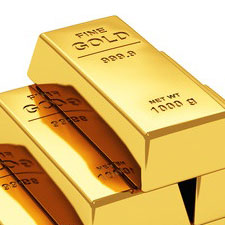
Reiterated the strong investment case for gold, which is supported by rising central bank and investor demand worldwide. Anticipated the repricing of global assets because of a confluence of geopolitical factors, including trade restrictions, tariffs, as well as new privacy and antitrust legislation for digital technologies.
August 2023
Foresaw the emergence of the BRICS alliance, which became a competitive economic alliance with control of 70% of the world’s commodities production and their own international payment system allowing members to trade in their own currencies with transactions warranted by physical gold allocated in Chinese-owned warehouses.
January 2022
Anticipated change in global central bank policy would lead to rising real interest rates, increased market volatility and outperformance of real assets and stocks with strong and rising free cash flows.

April 2019
Predicted next rise in commodity prices particularly those which were required for the transition to the new green economy.
March 2013
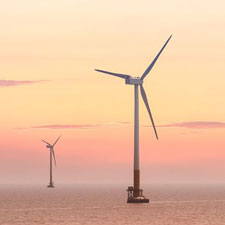
As solar became economically competitive with conventional energy, our focus shifted to renewable energy and essential services and technologies.
April 2011
Foresaw the end of the commodities bull market with a change in China’s 5-year plan from an export led economy to an internally led consumption economy.
March 2002
Predicted the price of gold would rise to its inflationary adjusted high over the next decade.
September 1999
Predicted commodities would outperform stocks 2 to 3 fold over the next 14 years because of the rapid growth of the emerging markets middle class, particularly in China. Main beneficiaries would be conventional energy, base and precious metals and related stocks.